Arts & Recreation
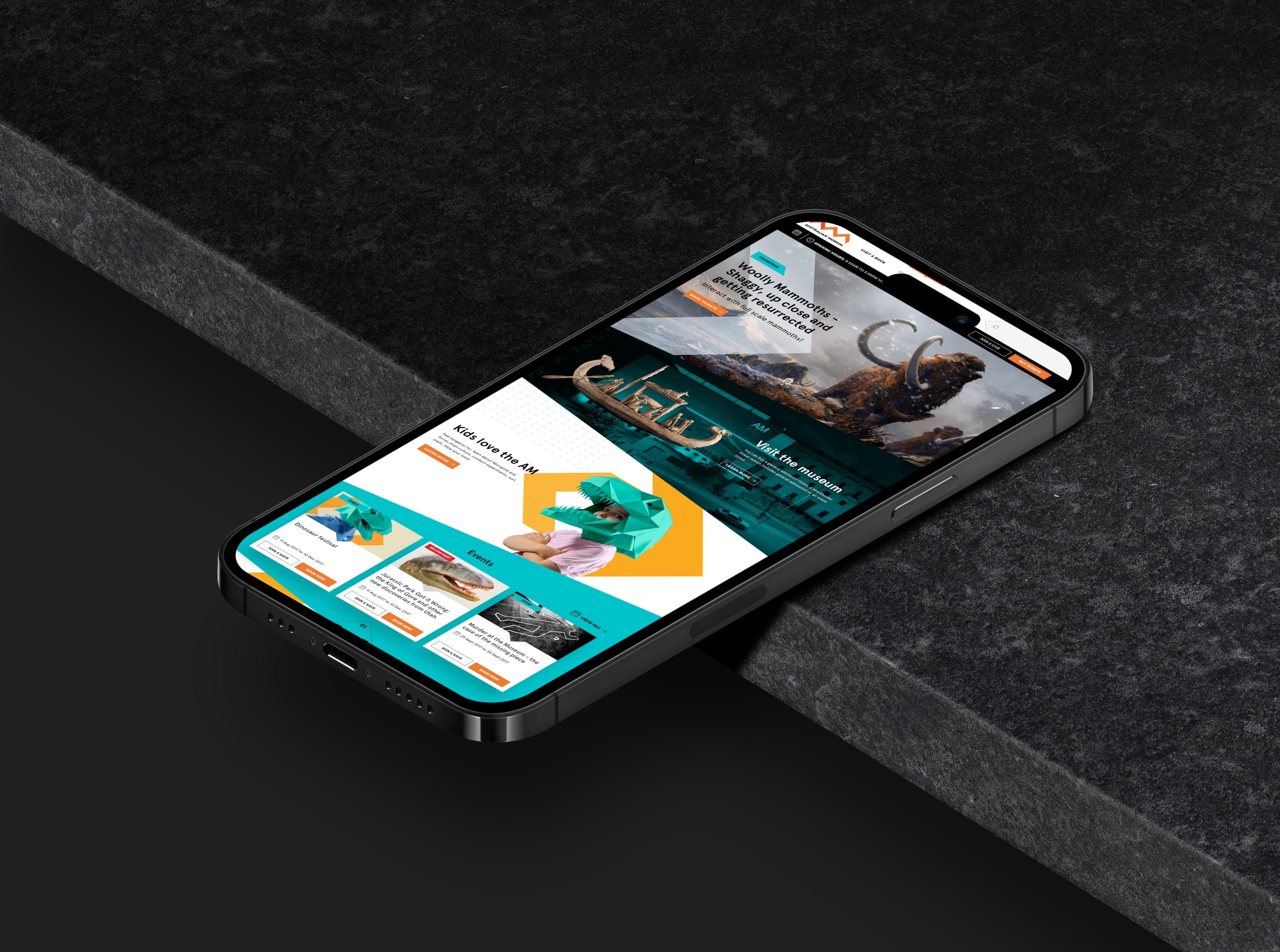
Australian Museum Website

project Details
Program Objective
Booking Engine was developed by Boomworks and sold as a SAAS in 2020.
Client
Australian Museum
SECTOR
Arts & Recreation
Channels
Web
overview
Creating an interface worth exhibiting
The Australian Museum, located in Sydney, is Australia's first public museum (est. 1827) and a premier scientific, natural history, and cultural institution. It boasts over 22 million specimens, focusing on Australia and the Pacific, and is renowned for research, education, and exhibitions.
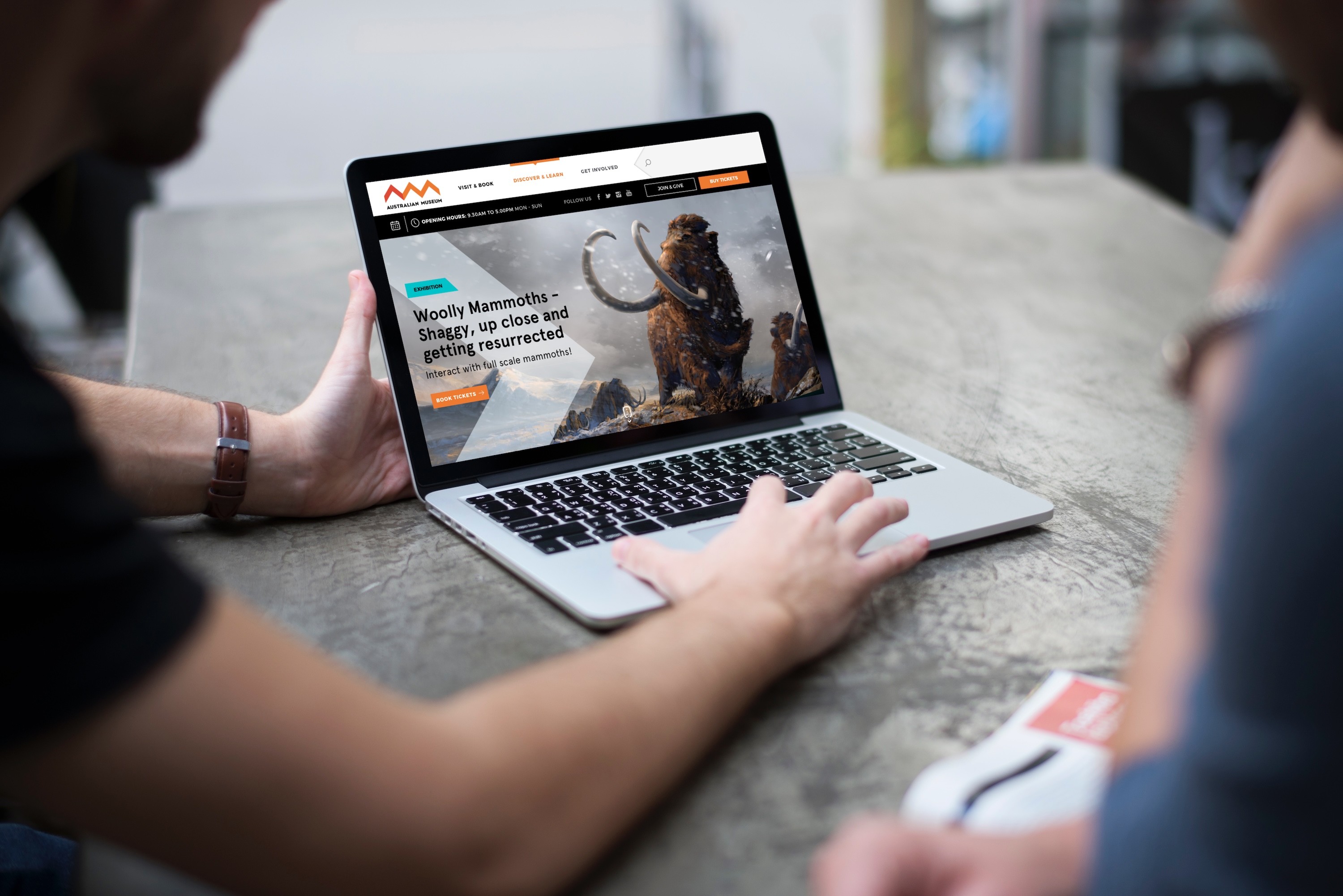
To be aligned with a brand relaunch, The Australian Museum engaged Boomworks to redesign the digital experience of the website. Major business considerations for the program included:
The current website has over 65,000+ pages; and the client had a desire to improve the information architecture, content strategy and general usability through well branded design, aligned with marketing programs.
An imminent migration to a new CMS, called for the creation of a flexible HTML component-based library
Process: Experience Design exploration
Using behavioural archetypes and a Jobs-to-be-done framework, our team conducted in-depth user research to understand how and why Australian Museum audiences engage with their digital platforms. This enabled us to identify barriers to online resource use, prioritise key user journeys, and develop five core scenarios that formed the foundation of our wireframes and content pathways. In parallel, working alongside a dedicated Search agency and content strategist, we defined a more intuitive Information Architecture — building a richer taxonomy and an interaction model across desktop, tablet, and mobile that could support up to five levels of content navigation, validated through successful usability testing.
With a clear structural foundation in place, our content strategy focused on creating natural wayfinding paths that served both user needs and the museum's promotional objectives. We resolved content hierarchies and established consistent mental models, ensuring users could navigate seamlessly across the site without having to relearn how information was presented.
Outcome: Experience Design and Delivery
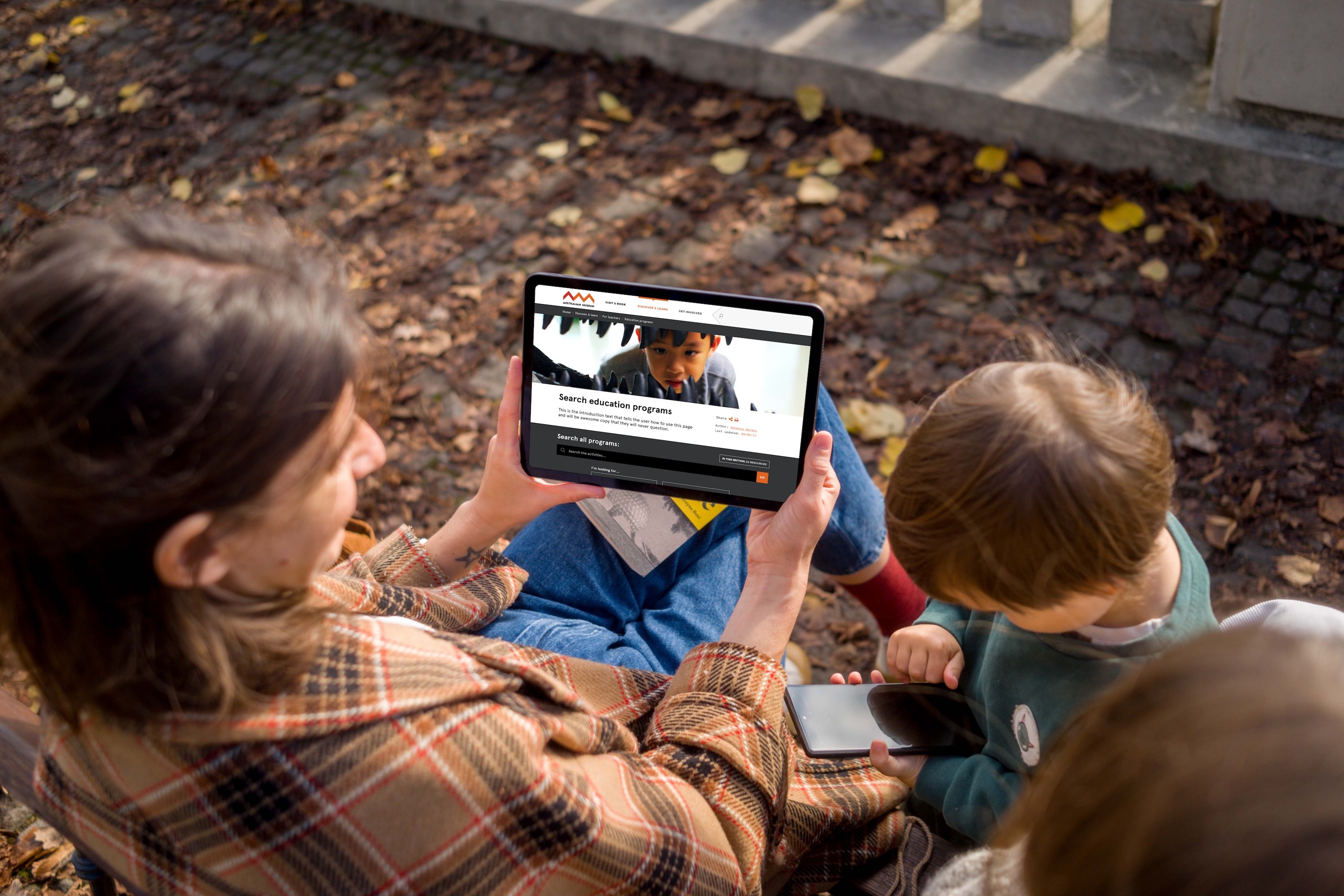
For the UX design phase of the project we used a highly iterative approach, whereby each component began as a couple of words, and progressed in fidelity. This allowed us to simultaneously focus on page narrative and component re-use. Taking a ‘mobile-first’ approach, we created 27 wireframe templates to facilitate the content modelling previously created. From this we started to create a framework for a component library as the building blocks for the agreed page templates. Three rounds of iterative usability testing were conducted to validate and refine components and content architecture.
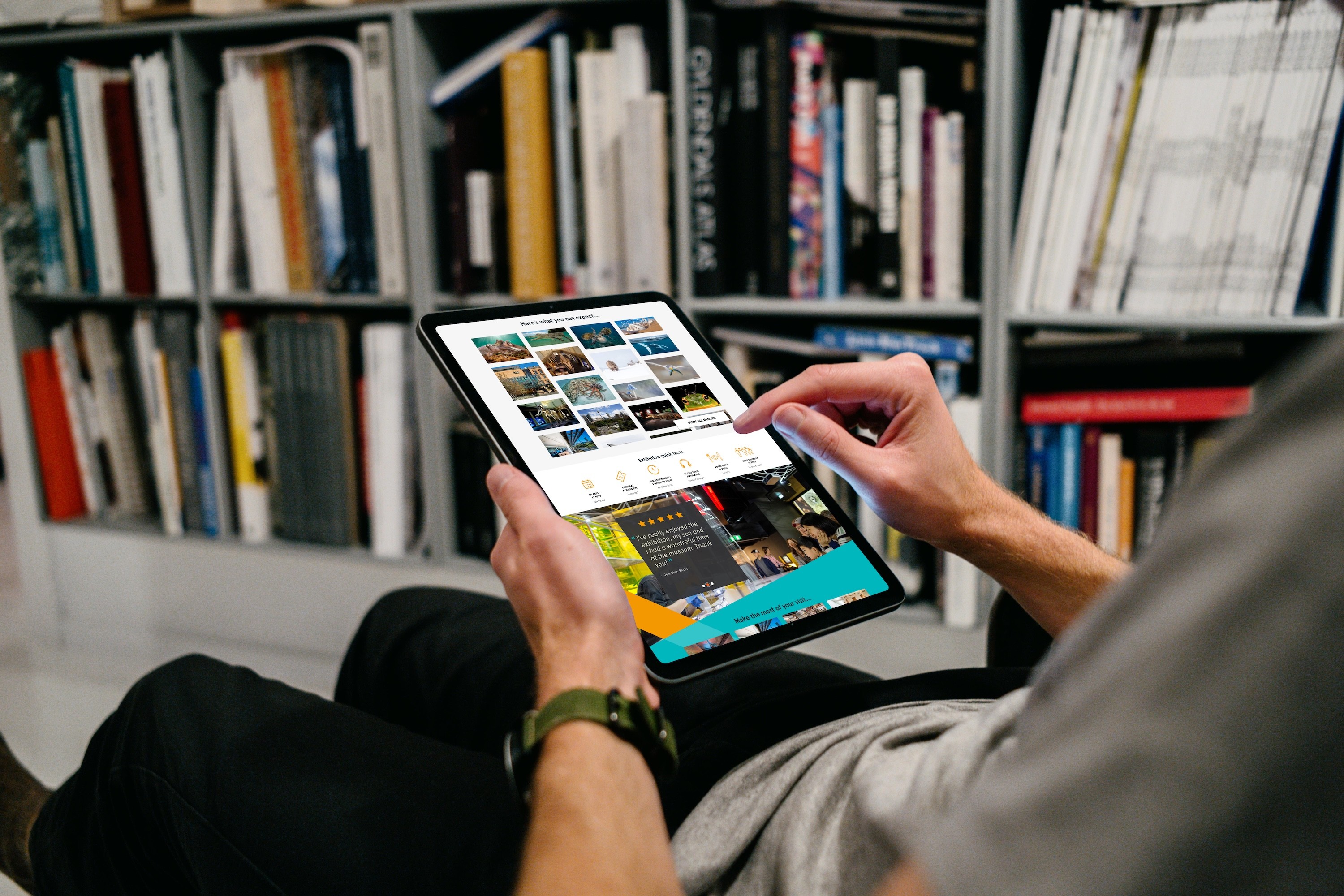
The project maintained a strong user-centred focus throughout. In total, 28 usability testing sessions were conducted, across 8 different user types. 5 different navigation patterns were explored, in our quest to create an easily navigable 5-level deep navigation system - with some levels containing over 200 pages. 26 unique page templates were created, supported by 120 unique components to cater for the 65,000 pages the live site will contain. These components are responsive across all viewports.
Services
Experience Design
User research
Information architecture
Content strategy
User experience design
Digital brand strategy
Experience Delivery
Prototyping and usability testing
Responsive UI design
Component based interface development
Design system